

Family & Carers Hub
The Families & Carers Hub is a dedicated space on our website where parents, teachers, foster carers, and other caregivers can access information and resources to help them build secure attachments with children. It supports caregivers in understanding attachment theory and applying practical strategies that promote healthy emotional development and strong, trusting relationships.
Purpose
The hub's core purpose is to equip caregivers with the knowledge and tools to foster secure attachments helping children feel safe, understood, and valued, which is the foundation for their healthy development and future relationships.
Why Attachment Theory?
The relationships we have with children are shaped by more than what happens in the moment. They are influenced by our own experiences of growing up, the relationships we have had, the pressures we face and the feelings that children can sometimes stir in us.
Attachment theory helps us think about how children develop a sense of safety, trust and belonging. But it also invites us to be curious about ourselves — why we respond in certain ways, why some situations feel particularly difficult, and how our own experiences may influence the way we parent, teach or care.
At IAN UK, we want to create a space where parents, teachers and carers can explore these ideas together, without judgement or expectations of getting everything right.
You don't need to know anything about attachment theory. You just need to be curious.

The IAN Nurturing Connections Café
A monthly in-person space to meet, think and connect
The IAN Nurturing Connections Café is a welcoming, salon-style gathering for parents, teachers, carers and others involved in children's lives.
Each month, we will introduce a theme or question that helps us think about our relationships with children and about ourselves as the adults caring for them.
We might explore how our childhood experiences influence us, what happens when stress makes it difficult to respond as we would like, why children's behaviour can bring up strong feelings, or how we find our way back to connection after difficult moments. As well as conversations around real-life themes such as children's behaviour, separation, emotions, discipline, boundaries, sibling relationships, adolescence, school, transitions, repair after conflict and caring for ourselves while caring for children.
There might be a short talk, an interview, a piece of research or an idea to get us thinking — but the heart of the café is the conversation that follows.
It is not a parenting class, a lecture or a therapy group. It is a space to listen, reflect, exchange experiences and learn from one another.
Join us for a cup of tea or coffee and be part of the conversation.
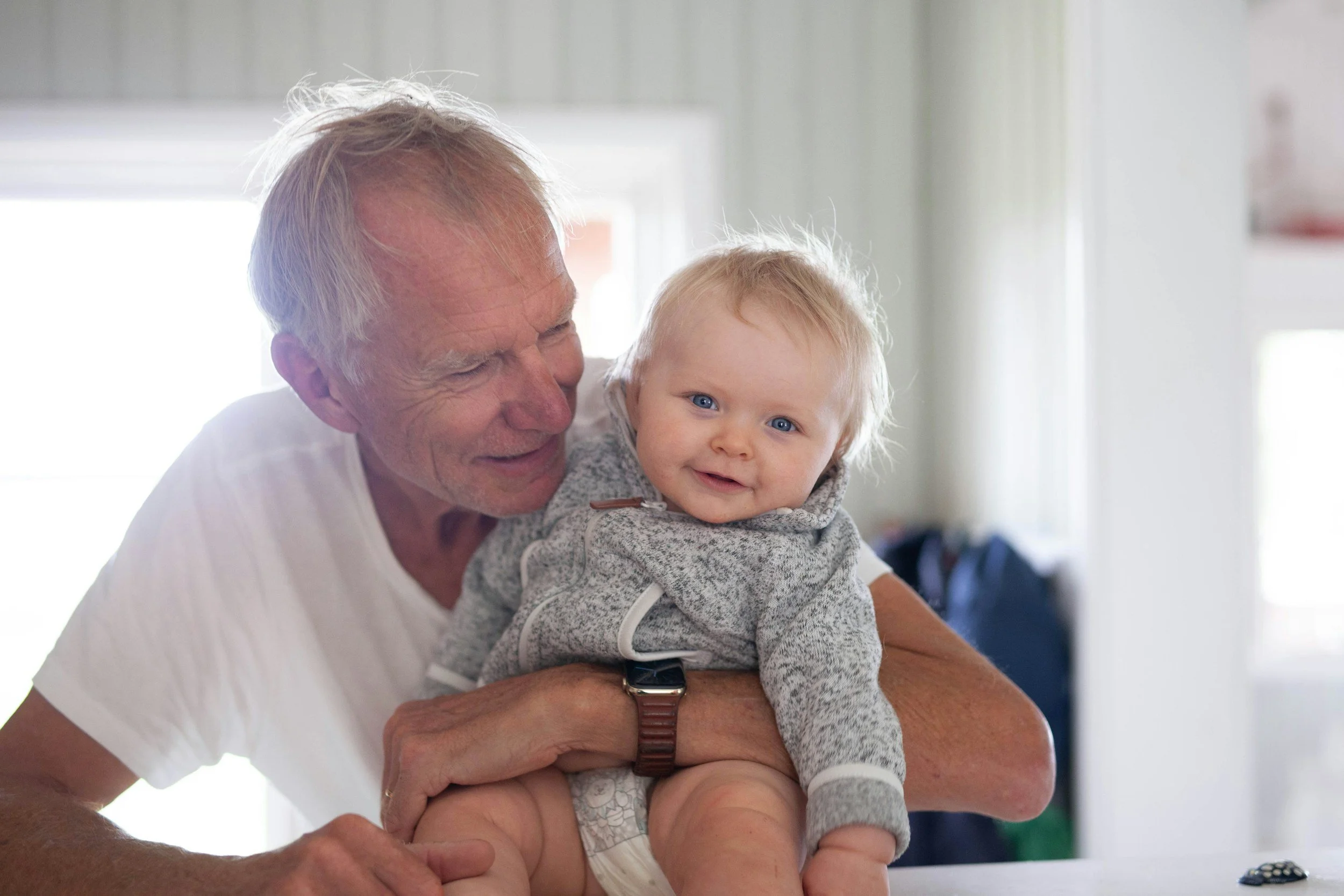
Why a Nurturing Connections Café?
Understanding ourselves helps us understand children
Caring for children can bring out the best in us, but it can also leave us feeling overwhelmed, frustrated, uncertain or exhausted.
Sometimes we find ourselves reacting in ways we don't quite understand. We may recognise something of our own childhood in a situation, struggle with feelings we thought we had left behind, or find that everyday pressures make it harder to be patient and available.
These experiences are part of being human.
Attachment theory reminds us that relationships develop between people. Children affect us, just as we affect them. Understanding what happens within ourselves can help us become more aware of what is happening between us.
There may not always be easy answers. What matters is having a space to think together, hear different perspectives and develop a deeper understanding of ourselves and the children in our lives.
The Nurturing Connections Café invites us to explore questions such as:
-
We all bring something of our own childhood into our relationships with children. The ways we were comforted, listened to, encouraged or responded to when we were young can influence what we expect from relationships and how we respond to others.
Sometimes we repeat familiar patterns without realising it. At other times, we may be determined to do things differently from the adults who cared for us.
Exploring our early experiences isn't about blaming our parents or believing that our childhood determines who we become. It's about developing a greater understanding of ourselves, recognising the patterns that may influence us and discovering that we can find new ways of relating.
-
Have you ever found yourself reacting particularly strongly to something a child has said or done, and afterwards wondered why it affected you so much?
Perhaps a child refusing to listen leaves us feeling powerless, their anger makes us anxious, or their distress brings up feelings we find difficult to manage.
Sometimes our responses are connected to our own experiences, expectations or vulnerabilities. What seems like a small event on the outside may touch something much deeper within us.
By becoming curious about these moments, rather than judging ourselves for having them, we can begin to understand what is happening and create a little more space between our feelings and our responses.
Sometimes we repeat familiar patterns without realising it. At other times, we may be determined to do things differently from the adults who cared for us.
Exploring our early experiences isn't about blaming our parents or believing that our childhood determines who we become. It's about developing a greater understanding of ourselves, recognising the patterns that may influence us and discovering that we can find new ways of relating.
-
Most of us find it easier to be patient, understanding and emotionally available when we feel calm and supported.
But when we're exhausted, anxious, under pressure or trying to manage too many demands, even ordinary interactions can become difficult. We may find ourselves becoming irritable, withdrawing, reacting more quickly or struggling to understand what a child needs.
Stress affects our ability to think clearly, manage our feelings and remain open to others. This is true for children and adults alike.
Recognising the impact of stress can help us move away from unrealistic expectations of ourselves and towards a better understanding of what we need in order to stay connected.
-
Children don't always have the words to explain what they are experiencing. Their feelings may be expressed through behaviour that adults find confusing, frustrating or challenging.
A child who becomes angry may be feeling frightened or overwhelmed. A child who withdraws may be struggling with uncertainty. A child who repeatedly seeks attention may be looking for reassurance or connection.
Of course, behaviour can have many different meanings, and we cannot always know exactly what a child is feeling.
Attachment theory encourages us to look beyond what a child is doing and become curious about what might be happening for them.
Instead of asking only, "How do I stop this behaviour?", we might also ask, "What is this child experiencing, and what might they need from me?"
-
No relationship is free from misunderstandings, frustration or conflict. Even when we care deeply about children, there will be times when we lose patience, misunderstand their needs or respond in ways we later regret.
What matters is not that we always get things right, but that we can recognise when something has gone wrong and find ways to reconnect.
Repair might involve acknowledging what happened, listening to the child's experience, offering reassurance or apologising when appropriate.
These moments can help children learn that relationships can survive difficulties, that feelings can be talked about and that connection can be restored.
They can also give us opportunities to reflect on our own responses and develop different ways of managing difficult situations.
-
Parents, teachers and carers often spend much of their time responding to the needs of children. It can be easy to overlook their own feelings, relationships and need for support.
Yet caring for others can be emotionally demanding, particularly when we are dealing with stress, uncertainty or difficult circumstances.
Our capacity to offer understanding and emotional support is influenced by whether we feel supported ourselves.
Looking after our own emotional wellbeing is not simply about finding time for ourselves. It is also about having relationships in which we feel heard, valued and understood, recognising our limits and allowing ourselves to seek help when we need it.
Children benefit from relationships with adults who have opportunities to reflect, recover and receive care themselves.
Thinking Together, Learning from One Another
These questions don't have simple answers, and everyone's experiences will be different.
The Nurturing Connections Café is not about finding the perfect way to parent, teach or care. It is about making space to reflect on our relationships, recognise the influence of our own experiences and develop greater understanding of ourselves and the children in our lives.
Through conversation, curiosity and shared reflection, we hope to discover how small changes in understanding can open up new possibilities for connection.
Because nurturing children's relationships also means nurturing the adults who care for them.

Join the Conversation Online
A monthly space to meet, think and connect
We know that not everyone can join us in person, so the conversation will continue online.
After each Nurturing Connections Café, you will be able to watch a recording of the introductory session and join an online gathering where we can explore the theme together in smaller breakout rooms.
It is an opportunity to reflect on what you have heard, share your own thoughts and learn from the experiences of other parents, teachers and carers.
Whether you are joining from home, school or elsewhere, you are warmly welcome.
Making space for the adults who care for children
Becoming a parent, teacher or carer can lead us to think differently about our own childhoods and relationships.

We may begin to notice patterns in how we respond to others, recognise the influence of the care we received, or wonder why certain situations bring up feelings that seem bigger than the moment itself.

For some, these reflections may connect with experiences they have explored in therapy. For others, they may be entirely new.

The Nurturing Connections Café offers a place where that curiosity can develop through shared conversation and reflection.

It is not therapy or a substitute for individual support. There is no expectation to talk about personal or painful experiences, and participants are encouraged to respect one another's privacy, including that of the children and families in their lives.

You are welcome to share, ask questions or simply listen.

Sometimes understanding ourselves a little better can help us approach the children in our lives with greater empathy, patience and curiosity.
Everyone Is Welcome
You might be a parent, grandparent, foster or kinship carer, teacher, teaching assistant, early years practitioner or someone else involved in supporting children and young people.
You may be facing a particular challenge, wanting to understand your own responses better, or simply interested in how attachment shapes relationships across generations.
You don't need any specialist knowledge, and you don't need to have all the answers.
The Nurturing Connections Café is about bringing different experiences and perspectives into the same conversation, recognising that we can learn a great deal from one another.
Come as you are. Bring your curiosity. Let's think together.

Keep Exploring with IAN’s Families & Carers Membership
Curiosity about attachment and understanding our relationships with children doesn't have to end when the café finishes.
Our Families Membership is open to anyone caring for, raising, teaching or supporting children, offering opportunities to continue learning, reflecting and connecting throughout the year.
As a member, you can enjoy access to our monthly Nurturing Connections Café recordings, explore a growing collection of accessible resources, connect with others interested in understanding themselves and nurturing children's relationships and emotional wellbeing, and receive 10% off selected IAN talks, events and cafés, including Nurturing Connections Cafés.